What is the Internet of Things?
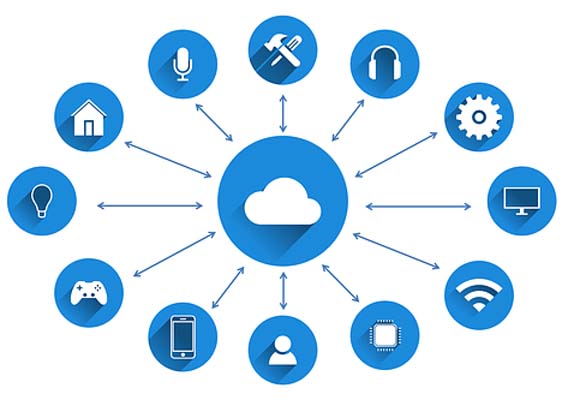
The Internet of Things (IoT) refers to a network of physical devices, vehicles, home appliances, and other items embedded with electronics, software, and sensors that enable these objects to collect and exchange data.
This network of connected devices can communicate with each other and with central servers to enable greater convenience, efficiency, and improved quality of life.
In simple terms, IoT allows everyday objects to be connected to the internet and to each other, making it possible for them to share information and work together in new and innovative ways.
Applying IoT in the real world – Some usage scenarios
Smart Homes
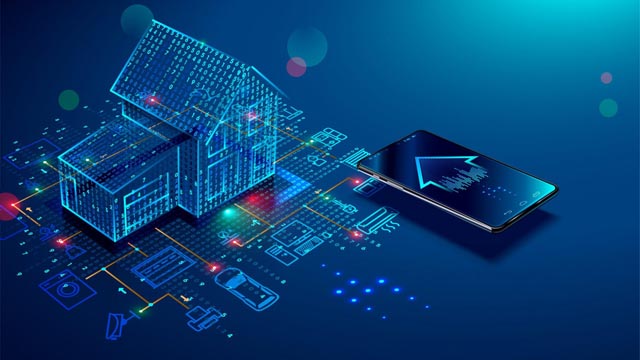
In smart homes, IoT devices play a significant role in automating and optimizing various household functions. For example, smart thermostats can learn a homeowner’s schedule and adjust the temperature accordingly to conserve energy, smart lighting systems can be controlled through a smartphone or voice-activated devices such as Amazon’s Alexa or Google Home, and smart security systems can alert homeowners to any unusual activity. Additionally, IoT devices in the kitchen, such as smart refrigerators and ovens, can make grocery shopping and meal preparation easier and more convenient. By connecting these devices and allowing them to communicate with each other, smart homes can provide increased comfort, convenience, and security to homeowners.
Smart Asset Protection
In asset protection, the Internet of Things (IoT) is being used to improve the security and reliability of valuable assets. IoT devices, such as sensors and GPS tracking systems, can be installed on assets to monitor their location, movement, and condition in real-time. This data can then be used to detect and prevent theft, as well as to quickly locate and recover stolen assets. In addition, IoT can be used to monitor environmental conditions, such as temperature and humidity, to protect sensitive assets from damage. By using IoT technology, organizations can improve the security and reliability of their assets, reducing the risk of theft and damage, and increasing the chances of successful recovery.
Smart Industry
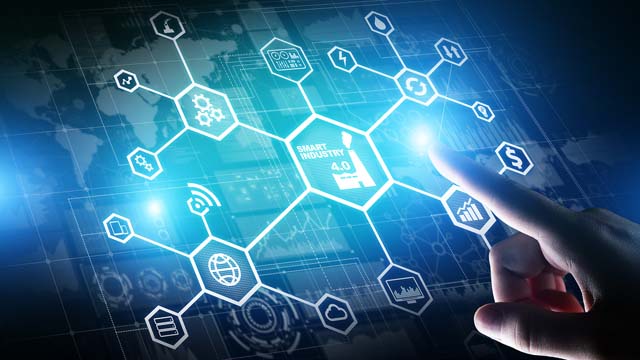
In industry, the Internet of Things (IoT) is being used to improve the efficiency, productivity, and competitiveness of manufacturing operations. IoT devices, such as sensors and actuators, can be integrated into machines and equipment to monitor their performance and conditions in real-time. This data can then be analyzed to optimize maintenance, reduce downtime, and improve the quality of products. In addition, IoT can be used to monitor supply chains and inventory levels, allowing for just-in-time production and reducing the need for excess inventory. By using IoT technology, manufacturers can increase the efficiency of their operations, reduce costs, and improve the quality of their products, ultimately giving them a competitive edge in the market.
Smart Agriculture
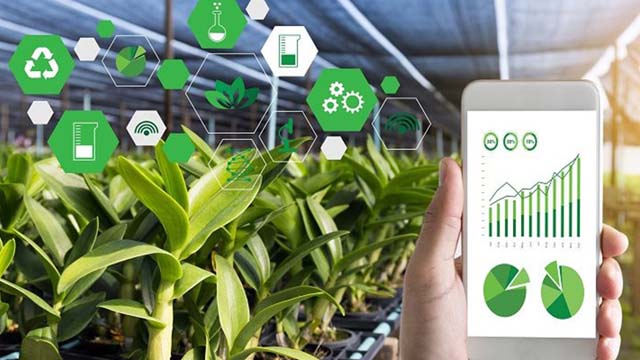
In agriculture, the Internet of Things (IoT) is being used to improve the efficiency, productivity, and sustainability of farming operations. IoT devices, such as sensors and drones, can collect data on soil moisture, crop health, and weather patterns, which can then be analyzed to make informed decisions about watering, fertilization, and pest control. Smart irrigation systems can use this data to optimize the use of water, reducing waste and increasing crop yields. IoT devices can also be used to monitor livestock, track their health and behavior, and manage their feeding and living conditions. By using IoT technology, farmers can make data-driven decisions to improve their operations, increase yields, and reduce their impact on the environment.
Smart Fleet Management
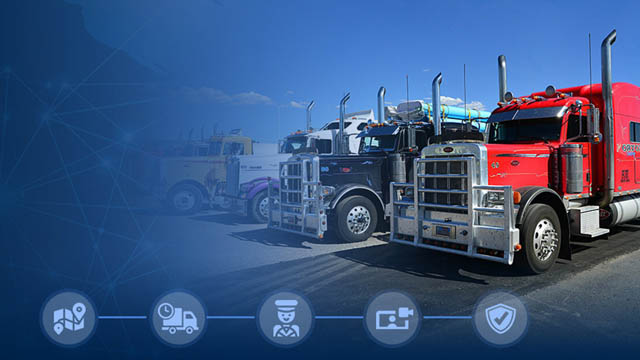
In fleet management, the Internet of Things (IoT) is used to optimize the performance and efficiency of vehicles and other assets. IoT devices, such as GPS tracking systems and sensors, can be installed on vehicles to monitor their location, speed, fuel consumption, and maintenance needs in real-time. This data can then be analyzed to improve routing, scheduling, and dispatch, reduce fuel costs, and minimize downtime due to maintenance or repairs. In addition, IoT can be used to monitor the behavior and performance of drivers, such as speed and braking, to promote safer driving and reduce accidents. By using IoT technology, fleet managers can have a complete and detailed understanding of their operations, allowing them to make informed decisions that improve efficiency, reduce costs, and increase safety.
Smart Cities
In smart cities, the Internet of Things (IoT) is being used to improve the quality of life and efficiency of urban services. IoT devices, such as sensors and smart meters, can be installed throughout the city to monitor and manage traffic, energy consumption, waste management, and other critical systems. This data can then be analyzed to optimize traffic flow, reduce energy waste, and improve the efficiency of urban services. In addition, IoT can be used to enhance public safety, such as through the deployment of smart cameras and air quality monitoring systems. By using IoT technology, cities can become more connected, efficient, and sustainable, creating a better quality of life for residents.